







By Edreez Ngulde
Nigeria is going through a difficult economic period, and almost every household can feel it. The price of food, clothing, electronics, household goods and other necessities continues to place pressure on ordinary Nigerians. For many families, earning money has become difficult while spending it has become unavoidable.
In the middle of this hardship, I want to raise a conversation that deserves the attention of everyone involved in buying and selling: Can we make profit while still considering the people we sell to?
I am not calling on traders to stop making profit. Every legitimate business deserves a reasonable return. Traders have expenses. They pay for transportation, customs duties, warehousing, rent, logistics, taxes, damaged goods and other costs. These realities must be acknowledged.
But I am calling for something equally important: moderation, transparency and compassion.
As someone who has studied the importation business and understands how products can move from manufacturing centres such as China into the Nigerian market, I have seen how dramatically the final selling price can sometimes differ from the original cost of a product.
A product purchased abroad for a relatively modest amount can sometimes reach the Nigerian market at several times its original cost.
Of course, the original purchase price is not the final cost. Shipping, customs, transportation and other expenses must be added. But when those legitimate expenses are considered, there are situations where the final price can still be increased far beyond what is reasonably necessary.
This becomes particularly concerning when consumers have little or no information about the actual market value of the products they are purchasing.
A customer walks into a shop and asks, “How much is this?”
The seller gives a price.
The customer may have no way of knowing whether that price reflects the actual cost of importing the product, the prevailing market price, or simply the maximum amount the seller believes the customer is willing to pay.
That imbalance of information can create an environment where some consumers are taken advantage of.
This is why I am appealing to traders across Nigeria: please look beyond the immediate profit. Look at the condition of the country. Look at the people who are buying from you.
The person standing in front of your shop may be a civil servant whose salary has barely changed while the cost of living has increased.
They may be a student trying to buy something with money sent by their parents.
They may be a young entrepreneur trying to purchase products for a small business.
They may be a parent trying to provide for their family.
Behind every customer is a human story.
Business should not be separated completely from social responsibility.
A trader who makes a reasonable profit while giving customers a fair price can build something more valuable than a single transaction: trust.
Customers return to businesses they trust.
They recommend businesses they trust.
They build long-term relationships with businesses they believe are fair.
In the long run, fairness can itself become a business advantage.
I am therefore encouraging traders to reconsider the mentality that says, “If the customer can afford it, let me charge whatever I want.”
Not every opportunity to make more money is an opportunity we should take.
Sometimes, the right thing to do is to make a reasonable profit and allow another person to breathe.
This is particularly important during difficult economic periods.
When prices rise across the economy, people become vulnerable. A small increase in the price of one product may appear insignificant to a seller, but when a family faces dozens of increased prices every day, the cumulative effect can be overwhelming.
We must also encourage consumers to become more informed.
People should compare prices, ask questions, understand product quality and avoid buying solely because of pressure or appearances. The more informed consumers become, the healthier the marketplace can become.
But responsibility should not rest entirely on the buyer.
Those who sell also have a responsibility.
Nigeria needs businesses that understand that profit and compassion can exist together.
There is nothing wrong with becoming wealthy through honest business. In fact, we should encourage entrepreneurship and legitimate wealth creation. But wealth built through fairness, transparency and value will always have a stronger foundation than wealth built on exploiting people’s lack of information.
This is not an attack on Nigerian traders.
It is a call to Nigerian traders.
I am asking our merchants, importers, wholesalers and retailers to consider a different approach: make your profit, but leave room for the customer to survive.
If you import a product and your total legitimate cost is known, calculate a reasonable margin. Do not automatically multiply the price simply because the customer does not know what it cost you.
If you have a good-quality product, explain its value.
If there are genuine increases in shipping or importation costs, be transparent.
If market conditions change and your costs fall, consider whether your customers should also benefit.
This kind of business culture can contribute to a healthier economy.
Nigeria does not only need more businesses.
Nigeria needs more responsible businesses.
We need entrepreneurs who understand that their businesses exist within communities. We need traders who understand that their customers are also citizens struggling with the same economic realities.
And we need consumers who reward fairness by supporting businesses that treat them honestly.
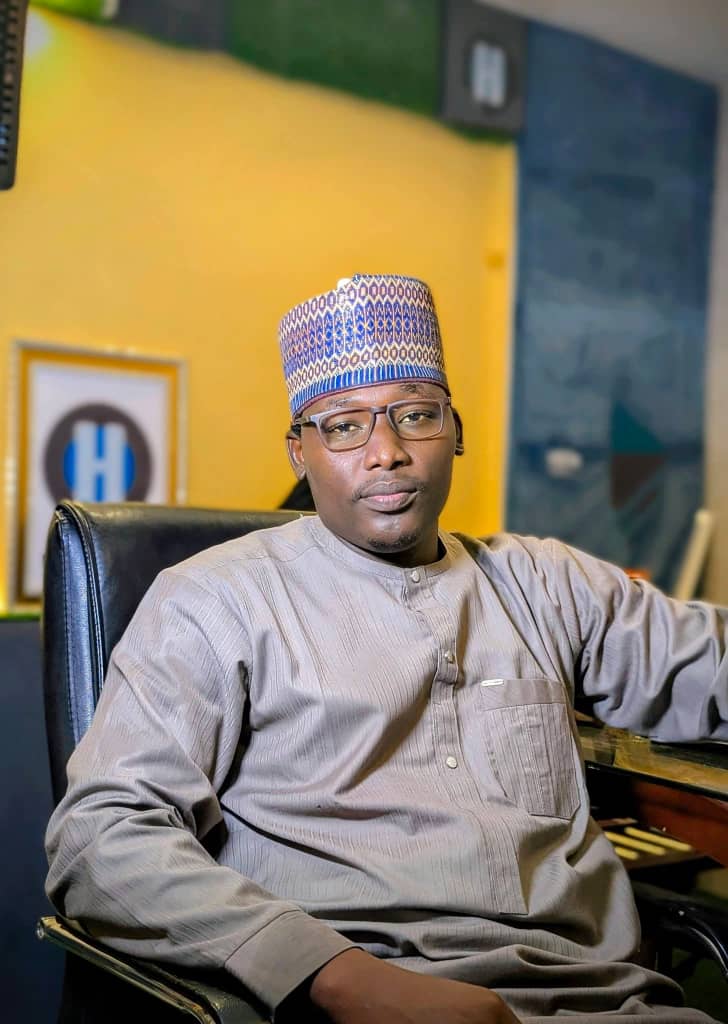
As I, Idris Haruna Ngulde, popularly known as Edreez Ngulde, raise this issue, my message is simple:
Profit is necessary. Exploitation is not.
Make your money.
Grow your business.
Build wealth.
But while doing so, remember the people who make your business possible.
Because at the end of the day, a successful business should not only be measured by how much money it makes.
It should also be measured by how much value it creates, how many people it serves and how responsibly it treats the society in which it operates.
Nigeria is difficult enough for ordinary people right now.
Let us not make it harder for one another. Let profit have a conscience.
About the Author
Idris Haruna Ngulde, popularly known as Edreez Ngulde, is a Nigerian youth advocate, content creator and entrepreneur with interests in digital entrepreneurship, importation, social development and youth empowerment.